Key Benefits of Using a fish fillet knife for Fresh Catch Preparation
Unlock the Tricks of Fish Filleting With a High-Quality Fillet Knife: Tips and Techniques
Fish filleting is an art that requires the right tools and techniques. A top notch fillet blade is crucial for achieving clean cuts and accuracy. Comprehending the anatomy of the blade and grasping crucial techniques can raise one's skills. However, several overlook the importance of office preparation and usual mistakes that can bring about thrown away fish. This expedition will reveal the subtleties of reliable filleting and just how to prevent risks that prevent success.
Understanding the Composition of a Fillet Blade
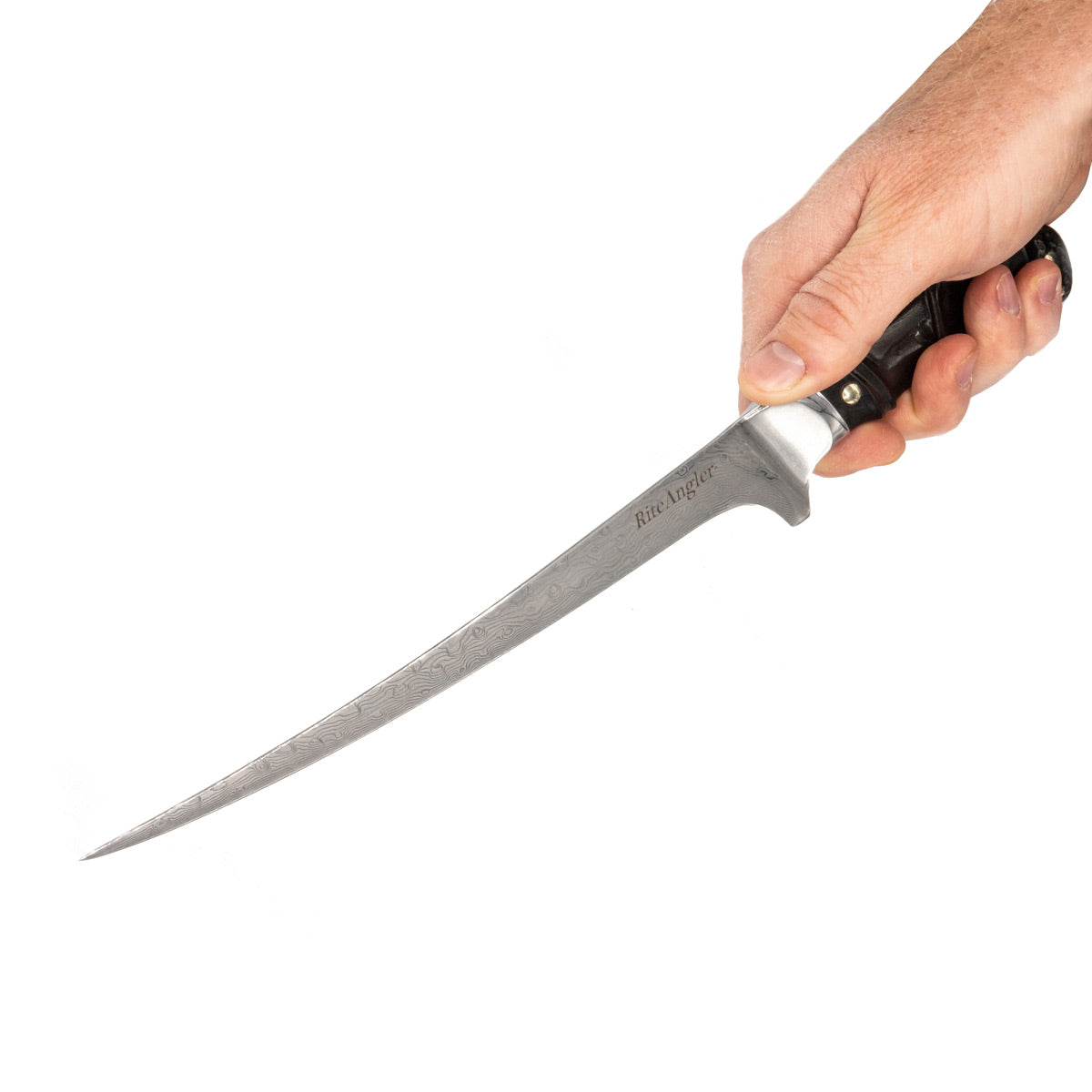
A fillet blade is an essential device for any fish enthusiast, designed particularly for the delicate job of eliminating fillets from the bone. Understanding its anatomy can considerably enhance a customer's filleting skills. The blade is usually long, thin, and adaptable, enabling precise activities along the fish's back and ribs - fillet knife. The sharp side is important for clean cuts that decrease waste and preserve the top quality of the meat
The manage, often ergonomically made, offers a safe grasp, which is fundamental for control during the filleting procedure. It might be made from various materials, consisting of timber or artificial composites, each supplying different degrees of comfort and sturdiness. The strengthen, located between the blade and manage, includes security and balance. Overall, the careful style of a fillet knife, from the blade to the deal with, plays a crucial role in making sure efficient and effective fish preparation.
Picking the Right Fillet Knife for Your Requirements
Selecting the suitable fillet blade can substantially impact the effectiveness and top quality of fish preparation. When choosing a fillet knife, several aspects need to be thought about, consisting of blade product, length, and adaptability. A blade commonly ranges from 6 to 9 inches, permitting precision based upon the size of the fish being processed. Adaptability is crucial; an extra adaptable blade allows intricate cuts around bones and skin, while a stiffer blade provides far better control for larger fish.
The product of the blade likewise plays a substantial duty. Stainless steel is preferred for its rust resistance and simplicity of maintenance, while high-carbon steel provides superior intensity but calls for extra care to stop corrosion. Deal with comfort and grip are similarly vital, as a safe hold is vital for safety and precision throughout filleting tasks. By taking these elements right into account, one can choose a fillet knife that satisfies their particular requirements and improves their fish preparation experience.
Essential Fish Filleting Strategies
Comprehending important fish filleting strategies is vital for attaining specific and clean cuts. Appropriate knife grasp plays a considerable role in control and safety and security throughout the filleting process. Furthermore, understanding the step-by-step process can enhance effectiveness and results, ensuring a high-quality fillet.
Appropriate Knife Grasp
Mastering the proper knife hold is a fundamental ability in fish filleting that can greatly improve accuracy and control. A company yet comfy grip allows the individual to lead the blade smoothly along the fish's body. The most efficient grip entails holding the manage with the leading hand while squeezing the blade's spine with the thumb and forefinger for included security. This method gives enhanced control during elaborate cuts. The non-dominant hand should be utilized to protect the fish, guaranteeing it remains steady throughout the procedure. Proper hold not just improves precision but also lowers the threat of mishaps. By concentrating on these vital elements, filleting comes to be an extra satisfying and effective job, leading to better results.
Filleting Process Actions
With an appropriate knife hold developed, the next action in the fish filleting process includes a series of precise techniques that ensure clean and reliable cuts. First, the fish needs to be placed on a steady reducing board, tummy side up. The fillet blade is then put behind the gills, reducing down toward the backbone. A smooth, sweeping activity along the spine divides the flesh from the bone. Mindful interest is paid to the rib cage, making sure all flesh is removed. Once one side is complete, the fish is turned to repeat the process on the other side. Any remaining bones or skin are trimmed away, yielding tidy and attractive fillets all set for food preparation.
Preparing Your Workspace for Filleting
Preparing a work space for fish filleting is necessary for efficiency and safety. An arranged area, equipped with vital tools, assures a smooth process while reducing the threat of mishaps. Implementing appropriate safety actions is crucial to protect both the private and the workspace throughout this cooking job.
Clean and Organized Location
A organized and tidy work area is important for effective fish filleting. It allows and minimizes diversions for a smooth and efficient procedure. Prior to beginning, the area must be free from any type of unnecessary items that could disrupt the job. A disinfected surface, preferably constructed from non-porous material, is optimal for easy cleaning and to avoid cross-contamination. Having all necessary devices within arm's reach, such as reducing towels and boards, can improve performance. In addition, arranging the work area with designated spots for tools and particles disposal aids maintain tidiness and order. This preparation not only fosters a much safer environment yet additionally enhances focus, making it possible for filleting strategies to be performed better and with better accuracy.
Important Tools Checklist
An efficient fish filleting process relies greatly on having the right devices handy. Necessary things consist of a high-quality fillet blade, which assures accuracy and simplicity when cutting through fish flesh. A sturdy reducing board is crucial for offering a stable surface and securing counter tops. Furthermore, a set of fish pliers aids in removing bones efficiently. Having a sharpener neighboring is essential to maintain the blade's edge throughout the process. A container for scraps maintains the office tidy. A towel can assist in dealing with slippery fish and cleansing surface areas. By gathering these tools, one sets the phase for a enjoyable and effective filleting experience, promoting both performance and efficiency.
Appropriate Safety Procedures

Tips for Keeping Your Fillet Blade
Proper upkeep of a fillet knife is crucial for assuring excellent performance and durability. Normal cleaning after each usage is essential; a basic wash with cozy, soapy water adhered to by thorough drying out avoids rust and deterioration. It is advisable to prevent saturating the knife or putting it in a dish washer, as these techniques can harm the blade and handle.
Developing the blade regularly is also substantial. Using a whetstone or developing pole can aid maintain a razor-sharp edge, which is necessary for accuracy filleting. Additionally, storing the blade properly safeguards its blade; a knife sheath or magnetic strip is chosen over a drawer where it might experience other tools.
Evaluating the blade consistently for signs of wear or damage assurances that it remains effective and secure. By sticking to these maintenance tips, users can prolong the life of their fillet knife and improve their overall fish filleting experience.
Typical Blunders to Stay Clear Of When Filleting Fish
Filleting fish can be a gratifying experience, however common errors can lead to lost meat and stress. One constant mistake is making use of a plain blade, which can make specific reference cuts tough and lead to tearing the flesh. Furthermore, many novice fishermens overlook to correctly scale the fish, making it challenging to attain clean fillets. An additional error is not following the all-natural contours of the fish; cutting against the grain can bring about uneven items and lost meat. Falling short to get rid of all bones can likewise interfere with the last recipe, as restaurants might run into unpleasant shocks. Lastly, hurrying via the process can lead to negligent cuts and safety threats. By bearing in mind these typical mistakes, people can enhance their filleting strategy try this site and assure a more gratifying and efficient experience when preparing fish.
Enhancing Your Fish Recipes With Flavorful Marinades and Seasonings
Flavorings play a vital duty. A spray of sea salt and freshly split pepper can highlight the fundamental flavors of the fish, while spices such as paprika or cumin can include heat and intricacy. Furthermore, including components like ginger or chili can present an amazing kick.
Trying out numerous combinations allows chefs to uncover one-of-a-kind tastes that match different fish types. Eventually, the best marinate or seasoning transforms a straightforward fish dish right into a culinary delight, making it unforgettable for those that delight.
Regularly Asked Inquiries
Just how Do I Sharpen My Fillet Blade in the house?
To develop a fillet knife in the house, one can utilize a whetstone or developing pole (best fillet knife for saltwater fish). Maintaining a regular angle while sharpening assurances an effective edge, while normal refining keeps the blade in peak condition for filleting
Can I Utilize a Fillet Blade for Other Kinds of Meat?
Yes, a fillet knife can be made use of for other kinds of meat, although its style is optimized for fish. Its versatility and sharpness might help in specific cuts, yet certain meat blades are typically a lot more reliable.
What's the most effective Method to Clean My Fillet Knife After Use?
To clean a fillet knife after usage, one should wash it with warm water, use mild soap, gently scrub the blade with a soft sponge, and thoroughly completely dry it to stop rust and maintain sharpness.
Exactly how Often Should I Replace My Fillet Knife?
A fillet blade should be changed each to 2 years, relying on use and upkeep. Routine developing and appropriate care can expand its life, however signs of wear indicate it's time for a replacement.

Exist Certain Brands of Fillet Knives Recommended for Beginners?
Numerous brands are advised for beginners, consisting of Victorinox, Rapala, and Dexter-Russell. These knives supply a great equilibrium of high quality, affordability, and convenience of use, making them suitable for those new to fish filleting.
A fillet blade is a crucial device for any fish fanatic, developed particularly for the fragile job of getting rid of fillets from the bone. Selecting the suitable fillet knife can significantly impact helpful hints the effectiveness and high quality of fish preparation. Vital items include a premium fillet knife, which assures accuracy and convenience when cutting with fish flesh. Appropriately securing the fish with a towel or a specialized fish holder can give extra control. Yes, a fillet knife can be used for other kinds of meat, although its layout is optimized for fish.